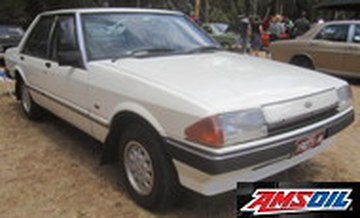
Maintenance Guidance for the 1983 Ford Fairmont 2.3L
Maintaining an older vehicle requires consistent attention to fluid levels and component health to ensure continued operation. For owners of a 1983 Ford Fairmont with the 2.3L engine, understanding which fluids are listed for specific systems is a fundamental part of routine care.
What transmission fluid is listed for my 1983 Ford FAIRMONT 2.3L?
The following products are listed for this vehicle: Signature Series Multi-Vehicle Synthetic Automatic Transmission Fluid (ATFPK-EA) and OE Multi-Vehicle Synthetic Automatic Transmission Fluid (OTFQT-EA).
Engine Oil Maintenance Fundamentals
The engine is the heart of the 2.3L powerplant, and regular oil changes are essential for managing internal friction and heat. Engine oil serves multiple purposes: it lubricates moving parts, helps clean the internal engine components by suspending contaminants, and assists in cooling the engine by carrying heat away from high-friction areas.
To maintain the longevity of the engine, you should monitor the oil level frequently using the dipstick. Low oil levels can lead to increased wear or overheating. When performing an oil change, it is also standard practice to inspect the area around the oil filter and drain plug for any signs of seepage or leaks that could indicate a failing gasket or loose component.
Understanding Engine Oil Viscosity
Viscosity refers to a fluid's resistance to flow. In an engine, the viscosity must be appropriate to ensure that the oil can reach critical components quickly during a cold start while maintaining a protective film when the engine reaches operating temperature. For this specific 1983 Ford Fairmont application, the database allows for the use of 5W-30 engine oil.
Using the correct viscosity helps maintain consistent oil pressure throughout various driving conditions. If the oil is too thin, it may not provide an adequate protective layer; if it is too thick, it may struggle to circulate through the narrow passages of the engine during startup.
Monitoring Fluid Integrity and Levels
Beyond engine oil, other fluids play critical roles in the vehicle's operation. While transmission fluid is vital for gear transitions, other systems such as the cooling system and braking system also require regular inspection. A well-maintained vehicle relies on the integrity of all its seals and hoses to prevent fluid loss.
When checking fluids, always perform the checks on level ground. For engine oil, this often means checking after the engine has been running for a short time and then allowed to settle, or following the specific sequence outlined in your owner's manual. Consistent monitoring allows you to identify small leaks before they become significant mechanical issues.
Routine Inspection Intervals
To keep the 2.3L engine in good working order, it is important to adhere to a regular maintenance schedule. Because this is a classic vehicle, environmental factors and storage conditions can influence how often components need attention. Rather than relying on fixed mileage estimates that may not apply to your specific driving habits, you should consult the manufacturer's maintenance schedule or the owner's manual.
Regularly inspecting belts, hoses, and electrical connections during oil changes is a proactive way to catch wear early. Look for signs of cracking in rubber components or fraying in wiring, as these can lead to unexpected downtime if not addressed.
Managing Engine Contaminants
Over time, engine oil can become contaminated with combustion byproducts, moisture, and microscopic metal particles. This contamination can degrade the oil's ability to lubricate effectively. Regular oil changes are the primary method for removing these contaminants from the system.
If the vehicle is driven in environments with extreme temperature fluctuations or short trips where the engine does not reach full operating temperature, oil contamination may occur more rapidly. Keeping a close eye on the color and consistency of the oil can provide visual cues regarding the health of the lubrication system.
What differential or gear-lubricant products are listed for my 1983 Ford FAIRMONT 2.3L?
The following gear-lubricant products are listed for this vehicle:
- SEVERE GEAR® 80W-90 (AGLPK-EA)
- SEVERE GEAR® 75W-90 (SVGPK-EA)
- SEVERE GEAR® 75W-110 (SVTPK-EA)
BUYING ENGINE OIL
When you are ready to purchase supplies, ensure you are selecting the correct viscosity for your 1983 Ford Fairmont 2.3L. Based on the available specifications, look for 5W-30 engine oil. Always verify that any product you select meets the requirements of your specific vehicle before application. Checking the labels on the packaging to confirm the SAE grade is a reliable way to ensure you are providing the correct lubrication for your engine.